
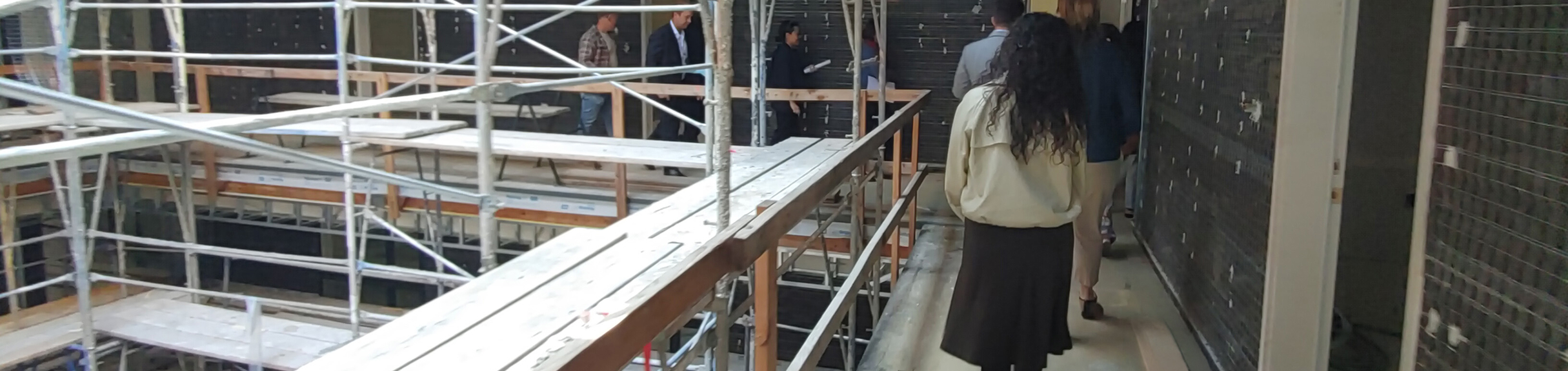
Housing Innovation Learning Tour
Brings Cross-Sector Leaders Together to Advance Housing Solutions in San Diego
On February 5–6, 2026, the Partnership to House San Diego (PHSD) helped convene the Housing Innovation Learning Tour, bringing together philanthropic leaders, financial institutions, public agencies, educational institutions, faith-based organizations, and community partners to explore innovative approaches to housing affordability.
Hosted in San Diego at the offices of the Prebys Foundation, the 1.5-day convening was designed as both a learning exchange and a working session, with a focus on how capital, land, and cross-sector partnerships can be aligned to produce housing at scale. The event reflected a growing recognition that addressing housing affordability requires coordinated action across sectors—not simply individual projects or programs.
Dates
February 5-6, 2026
Format
1.5-day learning exchange and working session
Host site
Prebys Foundation, San Diego
Participants
Philanthropy, finance, public agencies, education, faith-based and community partners
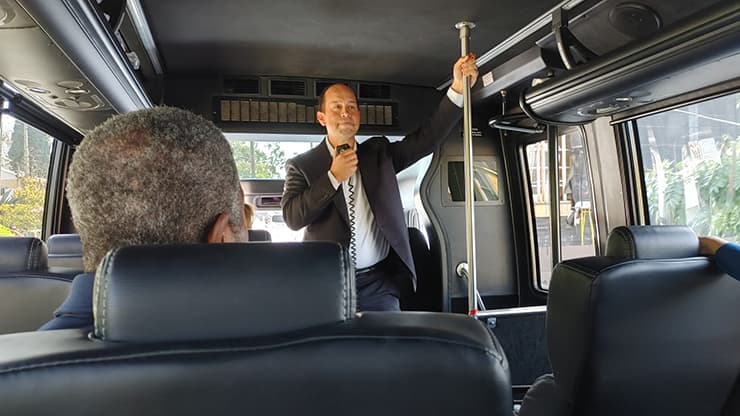
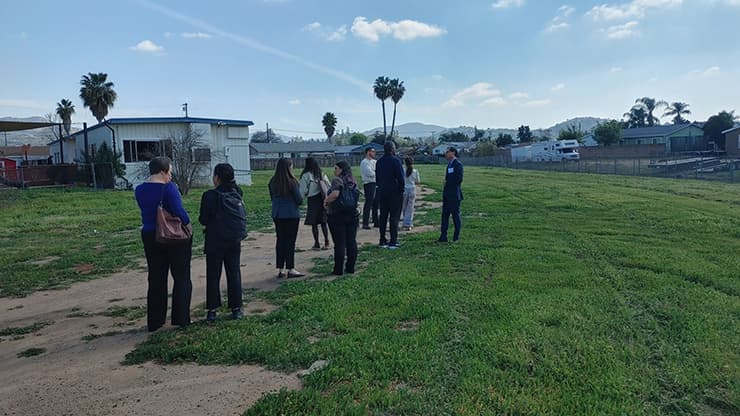
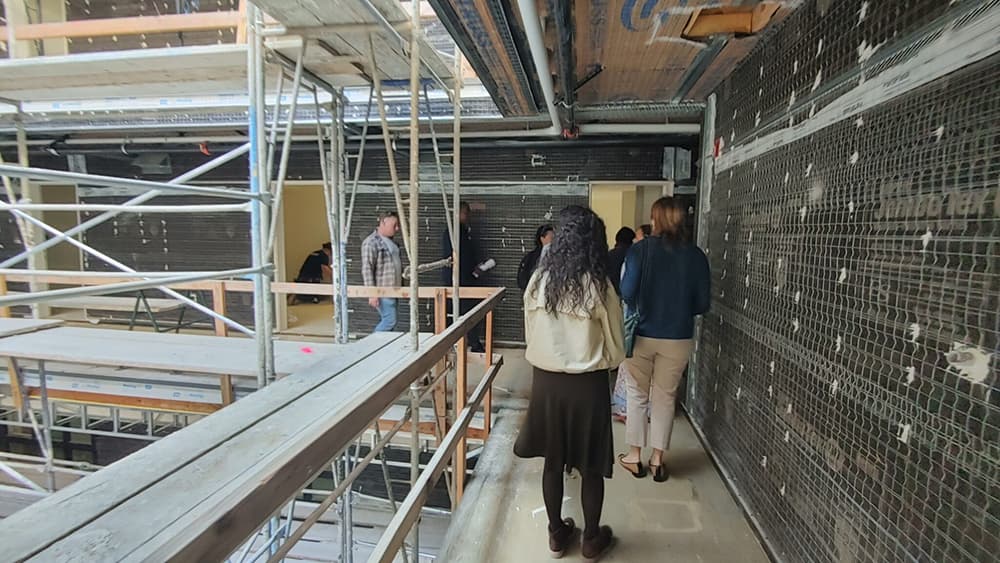
Highlighting San Diego’s Collaborative Housing Model
The first day introduced participants to PHSD and its approach to cross-sector collaboration. PHSD is a collective impact table of 15 education, faith-based, and public sector leaders that has been working together since 2023 to advance ambitious housing production goals through the land and institutional resources of its member organizations.
Participants explored how institutions that have not traditionally been viewed as housing developers, including educational and faith-based organizations, can contribute land, institutional capacity, relationships, and long-term mission alignment to housing efforts. The tour included a presentation on an intergenerational housing concept combining student and senior housing, illustrating the potential for partnerships between education and faith-based organizations to create new housing opportunities.
The event also featured an education leadership panel with representatives from San Diego Community College District and San Diego Unified School District, focusing on workforce housing, the education sector’s growing commitment to housing, and its role in initiating the San Diego Regional Housing Finance Authority (SD-RHFA).
Seeing Housing Innovation in Practice
The second day focused on translating innovative approaches into projects on the ground. Participants visited Shalom Village in El Cajon, a modular, community-centered development designed to incorporate housing alongside medical services and childcare.
The group also toured Secoya on Fifth and Goldilocks, two developments addressing the need for middle-income and workforce housing near downtown San Diego. Secoya on Fifth is an eight-story, 100-unit community near Balboa Park, while Goldilocks is a four-story multifamily project under construction.
Together, these site visits demonstrated how different types of institutions and development models can contribute to expanding the region’s housing supply.

Shalom Village
El Cajon. Modular, community-centered housing alongside medical services and childcare.

Secoya on Fifth
Eight stories and 100 units near Balboa Park.

Goldilocks
Four-story multifamily project under construction near downtown.
A Broader Role for Philanthropy and Financial Institutions
The convening brought together organizations including Prebys Foundation, Chan Zuckerberg Initiative, San Francisco Foundation, Alliance Healthcare Foundation, California Community Foundation, Pasadena Community Foundation, Wells Fargo, U.S. Bank, San Diego Housing Commission, County of San Diego, UC San Diego, San Diego State University, San Diego Community College District, San Diego Unified School District, Catholic Charities, United Methodist Church, Episcopal Diocese of San Diego, St. Paul’s Senior Services, among others.
A central theme was the opportunity for philanthropy to expand beyond traditional grantmaking. Participants discussed tools such as loan guarantees, impact investments, and revolving funds, as well as the potential for philanthropy to take greater risks and serve as a bridge between public and private sectors.
The discussions also highlighted the persistent gap in middle-income and workforce housing. While affordable housing has received significant policy attention, workforce housing remains underfunded and underserved, creating a need for new capital structures and partnerships that can help promising models reach greater scale.
Building the Infrastructure for Collaboration
The tour reinforced the importance of cross-sector partnerships as a foundation for housing innovation. Educational and faith-based institutions can bring land, community trust, and long-term mission alignment; the public sector can provide regulatory pathways and coordination; and philanthropy can help catalyze collaboration and fill critical gaps. These complementary roles are central to the PHSD model.
Participants also identified a need for stronger infrastructure to support innovation at scale, including standardized deal structures, intermediaries that can package opportunities, and shared playbooks and learning across regions. Greater coordination between financial institutions and philanthropy could further align community investment, impact capital, and philanthropic resources.
The event concluded with a discussion of opportunities for continued collaboration, including the potential for stronger statewide coordination among housing-focused philanthropic partners.